★★★★★ India's Free Weight Management Platform

Free Weight Care Tools & Health Calculators for India

Access 13 free science-backed calculators—BMI, TDEE, BMR, Protein, Water Intake and more—to understand your body and make smarter, evidence-based health decisions.
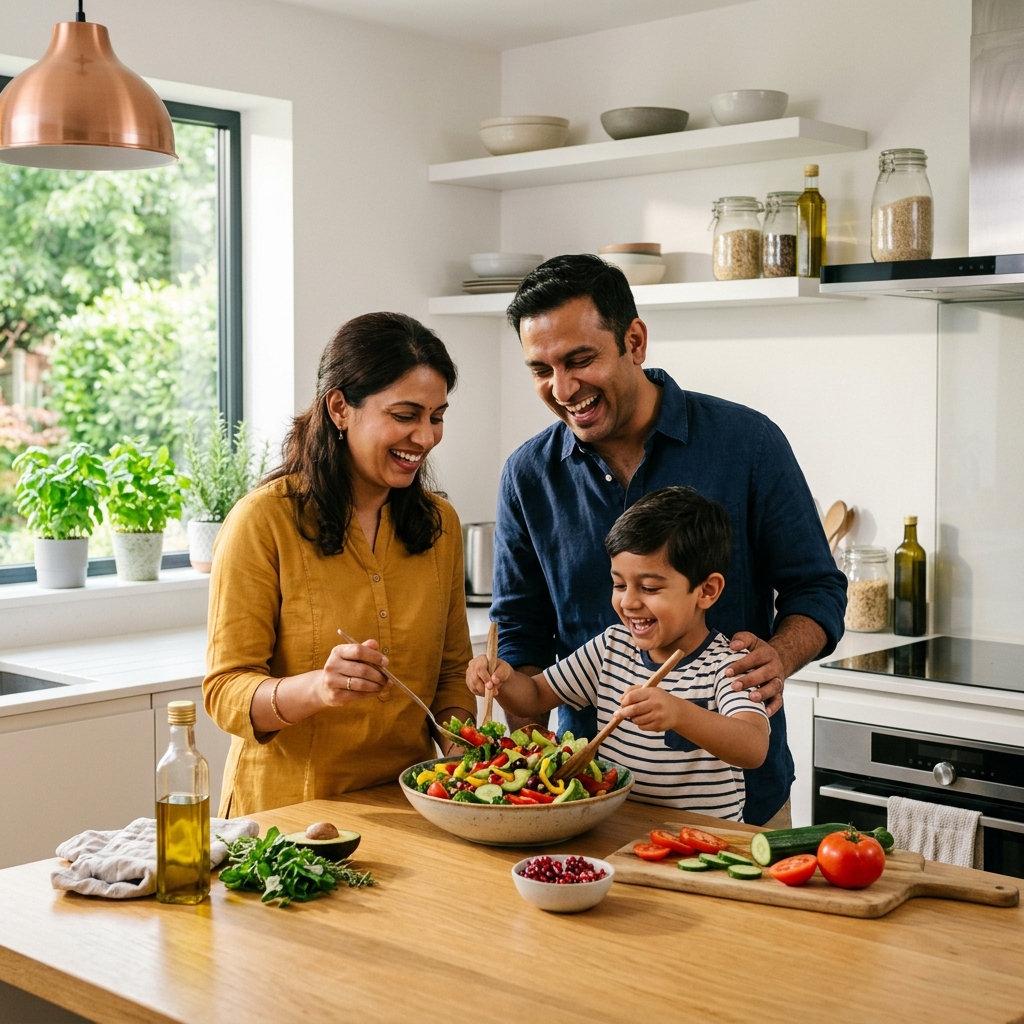
Healthy Indian Family - WeightCare
13+ Free Tools
100% Science-Backed
25k+ Active Users

Why Weight Management Matters for Indians

South Asian body types carry a higher risk of cardiovascular and metabolic disorders at lower BMI levels compared to Western populations. Relying on simple international benchmarks is often not enough to understand your health risks.
Cardiovascular Risk Thumbnail

Higher Cardiovascular Risk

Indians develop heart disease nearly 10 years earlier than Western populations at identical BMI levels, making proactive weight control vital.

Metabolic Risk Thumbnail

Metabolic Risk Factors

Over 77 million Indians are diagnosed with Type 2 Diabetes, closely linked to body composition, high visceral fat, and lack of exercise.
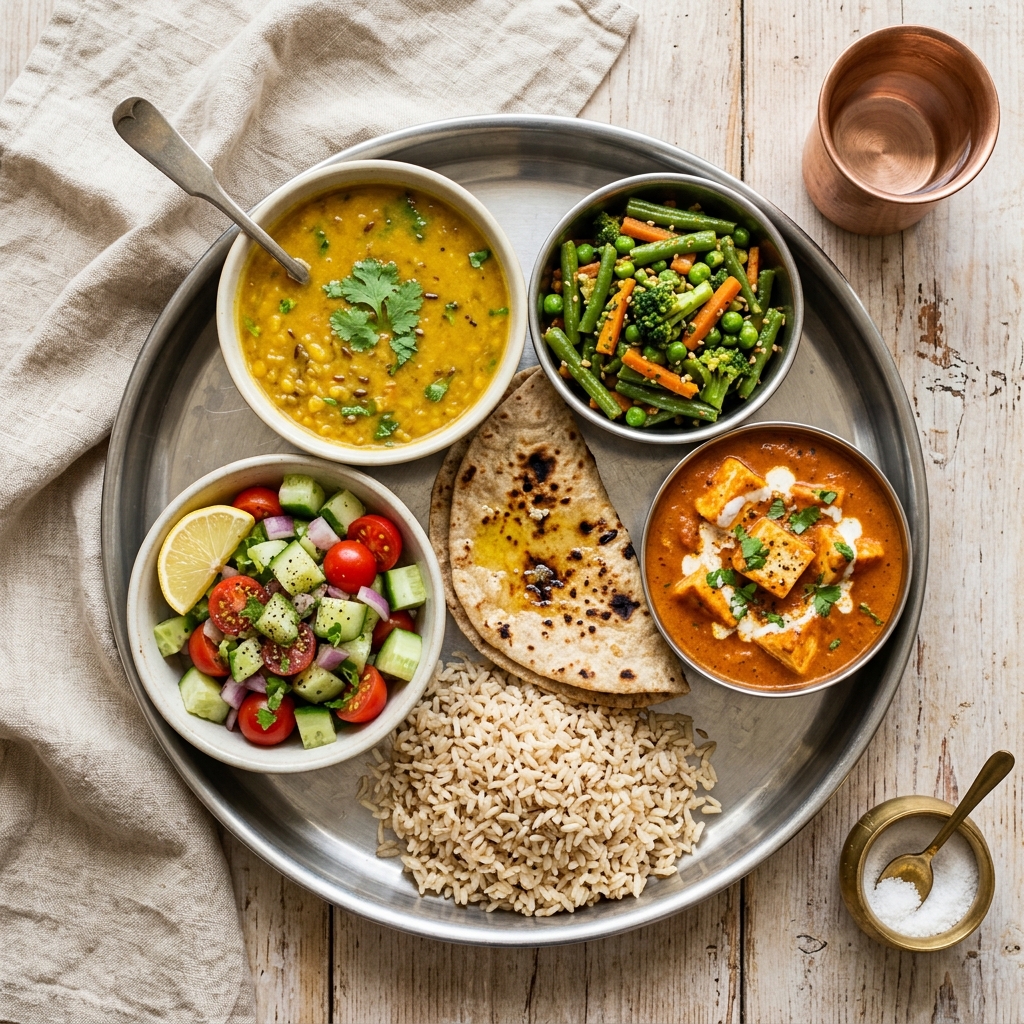
Diet Balance Thumbnail

Diet-Driven Weight Balance

Traditional Indian diets can be carb-heavy and lacking in protein. Keeping track of calorie density and protein needs is critical.

Science Tracking Thumbnail

Science-Based Tracking

Using calculators like BMR, TDEE, and daily protein targets helps establish safe nutritional targets without extreme starvation.

77M+

Diabetic Indians
India is the diabetes capital, with cases directly linked to unhealthy weight and lack of tracking.

23

Healthy BMI Limit
The WHO recommends a lower BMI limit of 23 for South Asian populations instead of the standard 25.

500

Calorie Deficit Target
Consuming 500 calories below your TDEE daily yields a safe, sustainable fat loss of 0.45kg per week.

30g

Minimum Dietary Fiber
Taking in 30g of daily fiber from vegetables and whole grains helps control blood sugar spikes.

From Our Health Blog

Read evidence-based guides, healthy recipes, and tips on Indian-centered nutrition.

Frequently Asked Questions About Weight Management

Most-searched weight care questions answered with evidence-based information.

What is a healthy BMI for Indians? +
The WHO recommends a BMI cut-off of 23 for South Asian populations (vs 25 for Western populations). A BMI between 18.5 and 23 is considered healthy for Indians. Between 23–27.5 is overweight, and above 27.5 is obese. This lower threshold exists because Indians carry more visceral fat (around organs) at lower body weights, increasing metabolic and cardiovascular risk factors.
How many calories should I eat to lose weight? +
To lose weight safely, create a caloric deficit of 500 calories below your TDEE (Total Daily Energy Expenditure). Most adults need 1,500–2,200 calories/day depending on gender, activity, and body weight. For women, never go below 1,200 kcal/day; for men, not below 1,500 kcal/day to avoid muscle loss and metabolic slowdowns.
What is BMR and why does it matter? +
BMR (Basal Metabolic Rate) is the number of calories your body burns at complete rest—just to keep organs functioning. It represents 60–70% of your total daily calorie burn. Knowing your BMR helps set a safe minimum calorie intake and forms the foundation for TDEE and calorie deficit calculations.
What is TDEE and how is it different from BMR? +
TDEE (Total Daily Energy Expenditure) is your actual daily calorie burn accounting for physical activity. It equals BMR × Activity Multiplier. BMR tells you how much you burn at rest; TDEE tells you how much you burn across the full day. Always eat close to your TDEE for weight maintenance, or below it for fat loss.
How much protein do I need per day? +
Protein needs vary by activity level: sedentary adults need 0.8–1.0g per kg body weight; active individuals need 1.2–1.6g/kg; athletes and strength trainers need 1.6–2.0g/kg. For a 70kg moderately active Indian, that's approximately 85–112g of protein per day from sources like dal, paneer, eggs, chicken, and legumes.
How much water should I drink to lose weight? +
The standard formula is 35ml per kg of body weight per day. A 70kg person needs approximately 2.45L. Add 350ml for every 30 minutes of exercise and an extra 500ml in hot Indian climates. Drinking water 30 minutes before meals can reduce calorie intake by 15–30% by promoting satiety.
What is the fastest safe way to lose weight? +
The safest medically recommended rate of weight loss is 0.5–1kg per week, achieved through a 500–750 kcal daily deficit via diet and exercise. Faster methods (crash diets, extreme restriction) cause muscle loss, slow metabolism, nutritional deficiencies, and rapid weight regain.
How do I calculate body fat percentage at home? +
The most accessible home method is the US Navy Circumference Method using a measuring tape. For men, measure height, neck circumference, and waist circumference. For women, add hip circumference. Use our free Body Fat % Calculator which applies the scientifically validated formula to give you an accurate estimate.
What is the ideal weight for my height? +
Rather than a single ideal weight, BMI gives a healthy range. For a 5'7" (170cm) person, the healthy Indian BMI range (18.5–23) corresponds to approximately 53–66kg. Use our BMI Calculator to find the exact healthy weight range for your height using South Asian-adjusted standards.
How many calories does walking burn? +
Brisk walking burns approximately 3.5 METs of energy. For a 70kg person walking 45 minutes: Calories = 3.5 × 3.5 × 70/200 × 45 ≈ 193 calories. Walking pace, incline, body weight, and fitness level all affect the actual burn. Use our Calories Burned Calculator for a personalized estimate.
What is a calorie deficit and how do I maintain one? +
A calorie deficit means consuming fewer calories than your body burns (TDEE). A 500 kcal/day deficit creates approximately 3,500 kcal weekly—enough to lose ~0.45kg of fat. Achieve this through portion control, food swaps (replacing white rice with vegetables), and moderate exercise rather than extreme starvation.
How does PCOD affect weight loss in Indian women? +
PCOD (Polycystic Ovarian Disease) creates hormonal imbalances—particularly elevated insulin and androgens—that promote fat storage, especially around the abdomen. Weight loss with PCOD requires a low-GI diet (avoiding refined carbs, white rice, sugar), regular resistance training, and consistent sleep. Even 5–10% weight loss can significantly improve hormonal balance.
What Indian foods should I avoid to lose weight? +
Avoid: refined white rice in large portions, maida-based foods (naan, paratha, samosa, bread), deep-fried snacks, sweetened beverages (chai with sugar, packaged juices), white sugar, and ultra-processed foods. Replace with: millets, brown rice, multigrain roti, roasted snacks, herbal teas, and home-cooked sabzi.
Is rice good or bad for weight loss? +
Plain white rice is high-GI and can spike insulin levels. However, cooked and cooled rice forms resistant starch which is lower-GI. Portion control is key—limit to 1 cup cooked rice per meal. Alternatives: brown rice, red rice, millet khichdi, or daliya have more fiber and lower GI values, supporting weight loss better.
How much exercise is needed to lose 1 kg of fat? +
1 kg of fat contains approximately 7,700 calories. To burn this through exercise alone would require enormous effort. Instead, combine a 500 kcal/day diet deficit with 200–300 kcal/day of exercise for a total 700–800 kcal daily deficit, losing 1kg in approximately 10 days to 2 weeks safely.
What is the difference between weight loss and fat loss? +
Weight loss refers to reduction in total body weight (fat + muscle + water). Fat loss specifically targets reducing body fat percentage. Crash diets cause weight loss but mostly through muscle and water loss. True fat loss preserves muscle while reducing fat—achieved through adequate protein intake (1.2–1.6g/kg), resistance training, and a moderate calorie deficit.
How do I know what my body type is? +
Body types (somatotypes) are based on measurements: Ectomorph (naturally lean, hard to gain weight), Mesomorph (naturally muscular), Endomorph (naturally stores fat easily). For body shape, use the bust-waist-hip ratio: Hourglass (equal bust/hip, narrow waist), Pear (wider hips), Apple (wider midsection), Rectangle (similar measurements). Use our Body Type Calculator.
What is a normal heart rate during exercise? +
Target Heart Rate (THR) during exercise = 60–85% of Maximum Heart Rate. Maximum HR = 220 − age. For a 30-year-old: Max HR = 190 BPM, Target zone = 114–162 BPM. Below 60% doesn't challenge the cardiovascular system; above 85% becomes anaerobic (not fat-burning). Use our Heart Rate Calculator for your zone.
How can a vegetarian Indian get enough protein? +
Top vegetarian protein sources for Indians: Paneer (18g/100g), Greek/Hung curd (10g/100g), Roasted chana (19g/100g), Sprouted moong (7g/100g), Yellow/Masoor dal (9g per serving), Tofu (8g/100g), Sattu (20g/100g), Peanut butter (25g/100g), Rajma (7g/serving). Combine grains + legumes (rice + dal) for complete amino acid profiles.
What is a healthy rate of weight loss per week? +
The WHO and most clinical guidelines recommend 0.5–1.0 kg per week as a safe, sustainable rate. This requires a 500–700 kcal daily deficit. Losing faster than 1kg/week typically involves dangerous muscle loss, hormonal disruption, gallstone risk, and metabolic rate slowing—all of which lead to rapid weight regain later.
Home About Tools Blog